By: Teghan McIntyre, MS Art Therapy Student
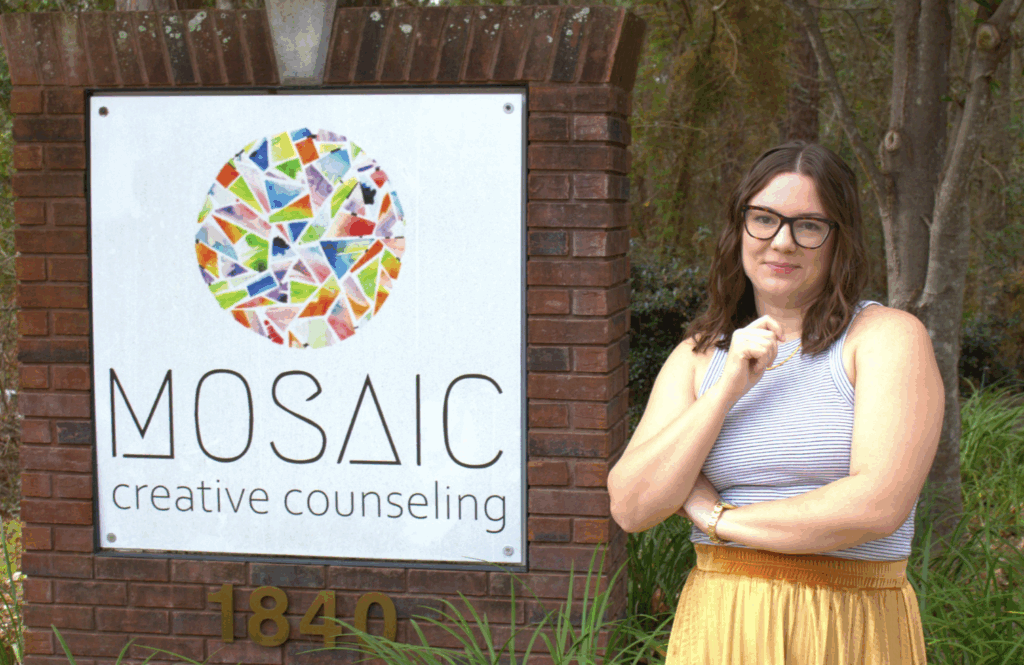
Nicole Rainey (M.S. ’15), a Licensed Mental Health Counselor and Registered Art Therapist, is a graduate of Florida State University’s art therapy master’s program who has dedicated her career to integrating creativity and clinical care. Through her private practice based in Tallahassee, FL, Mosaic Creative Counseling, she provides individualized therapy services designed to meet clients’ unique emotional and psychological needs. In the following interview, she reflects on her professional journey, the realities of private practice, and the meaningful ways she helps clients find healing and resilience through creative expression.
To begin, Nicole shared a bit about her journey to becoming a Licensed Mental Health Counselor and Registered Art Therapist.
“My whole life, I always enjoyed two things: art and helping people. Growing up, I would go back and forth between “I want to be an art teacher, or a therapist when I grow up.” In my undergraduate career, I majored in studio art and psychology. My original dream vision was to build a large house on beautiful acreage of land for trauma survivors to recover using creative modalities like art, music, nature, yoga, animals, etc. During undergrad, I learned more about the field of art therapy. I knew that was the missing link for me, so I went to FSU’s amazing art therapy program for grad school. I had wonderful internships, classes, professors, and colleagues who helped shape my career journey. After graduation in 2015, I had amazing mentors and supervisors who challenged me, encouraged me and supported me as I pursued licensure for mental health counseling and becoming a registered art therapist. In 2017, after 2 years of post-grad supervision, I became a Licensed Mental Health counselor and Registered Art Therapist.”
Nicole’s time at FSU shaped her, both personally and professionally, by giving her confidence in herself and in the creative process.
“At FSU, I was challenged to research, facilitate, and experience first-hand the healing power of creativity. The curriculum in Art Therapy is driven by research, and students are encouraged to trust the process with clients. Each class also challenges students to engage in their own art therapy process first, so that we can be a field that practices what we preach.”
Nicole’s internship/practicum experiences solidified interest in art therapy.
“In my internships, I got to practice art therapy with many diverse clients. I was lucky enough to have internships in the local schools, prisons, and state hospitals. Helping people actually find healing through art got me hooked on art therapy!”
Her education at FSU gave her the clinical foundation that she needed to feel confident in the therapy room.
“After graduation, I felt confident in working with diverse clients and using art to help people heal. That foundation gave me the ability to pursue more specialized training in trauma modalities like EMDR
(Eye Movement Desensitization and Reprocessing), and gave me the motivation to build my own practice.”
Nicole was inspired to open her own private practice after her experiences working in non-profit positions.
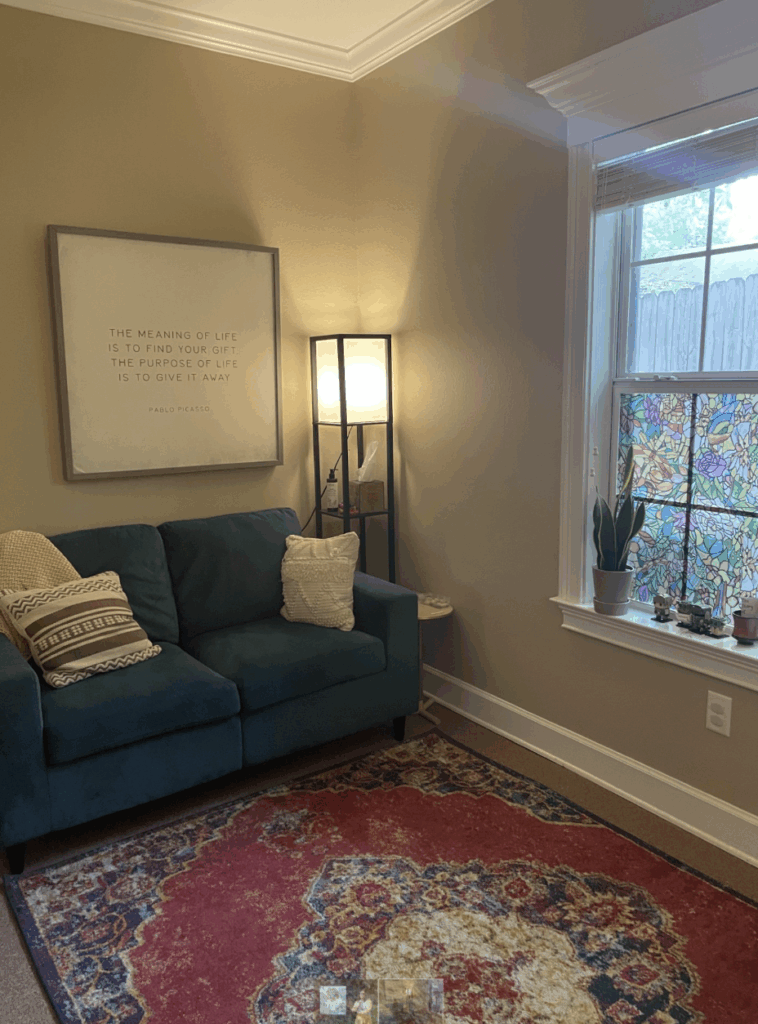
“I spent the first 5 years of my career working with sexual abuse and sex trafficking survivors. This was extremely fulfilling. However, these nonprofits repeatedly lost funding for these programs and services. I saw what that did to a community of people who found help, and then had it snatched away because of bureaucracy they couldn’t control. That is when my original dream came back to life, and I decided to open my own practice with many different creative therapies available to our community. I wanted a space that was my own and that no one could take away again because of funding or bureaucracy. I wanted a space that was full of creative healing that wasn’t dictated by insurance requirements, grant wording, or other red tape. I wanted a creative healing space that was truly focused on clients.”
As a former FSU art therapy master’s student, she shared some advice for current or future FSU students interested in art therapy.
“For anyone interested in pursuing art therapy, I have 2 recommendations: 1. Invest in your own healing work as you enter the field. Therapists often get into this role because we care, but while we hate to hear it, sometimes we have our own unfinished healing. I want to encourage any student who is interested in becoming an art therapist to go to therapy, work on themselves, learn to enforce boundaries, heal their past traumas, build meaningful relationships, and practice their own creative outlets. Do your own work, and you’ll be a great art therapist! 2. Internships and Supervisors have the biggest impact on the kind of therapist you will become. Don’t choose the easy internship, choose the one you’re most interested in, you might even choose the one you’re most afraid of… your internships are the only client experience you’ll get before you’re released into the wild! Choose an internship that will build your confidence, not make for an easy semester. Find a supervisor whom you respect. The feedback your supervisor gives will shape who you become in your career. Don’t just accept free supervision if you are not getting your needs met. Find a supervisor who fits your style, makes you feel challenged and supported, and does the kind of clinical work you want to do one day!”
Nicole provided clarity on the differences between private practice and other therapeutic spaces.
“For the clients, private practice forms a long-lasting relationship with their therapist. When a client works with a therapist who is in private practice, they typically have a relationship with that therapist for as long as they need, often years and sometimes decades! Choosing to work with a private practice therapist gives the client more freedom and control over their healing journey, because administrative staff, leadership boards, and funders are not dictating treatment due to random policies. For example, when I worked in agencies and other therapeutic spaces, I would have clients occasionally show up 15 minutes late to sessions. Well, because of the policies and insurance guidelines, after 15 minutes, that client would be counted as a no-show and be billed for the full session. Now in private practice, if a client is late, I say, “Come on in! Glad you made it!” I once had a client who scheduled a virtual session, but their internet was down (through no fault of their own), and because of the policies, I had to charge them a no-show fee. Now, in private practice, if something similar happened, I could just offer to do a telephone session. What I love most about private practice is that I can truly meet people where they are at.”
Nicole shared what she believes makes Mosaic Creative Counseling unique compared to other therapy practices.
“I believe what makes us unique is our commitment to our 5 core values: Providing accessible and quality therapy services, a diverse team with niche expertise, being a collaborative part of the community, having a growth mindset and vision, and demonstrating creativity and innovation.”
To conclude the interview, Nicole described what excites her most about the future of Mosaic Creative Counseling.
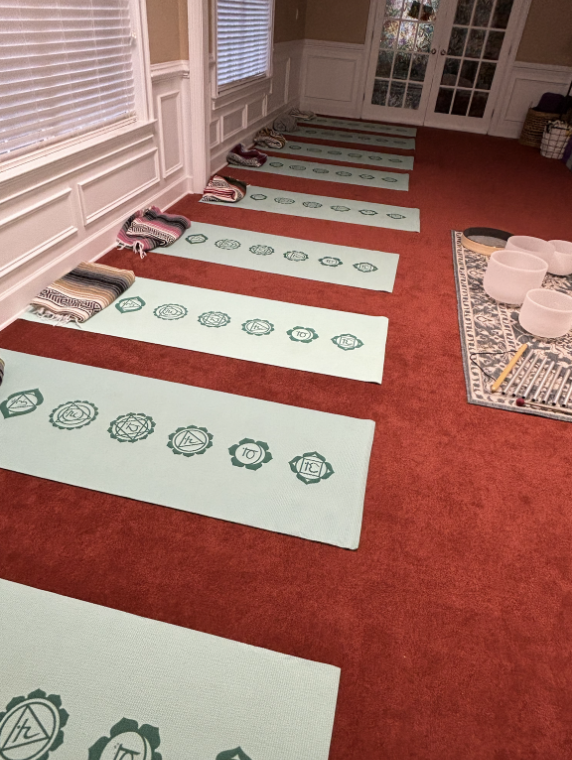
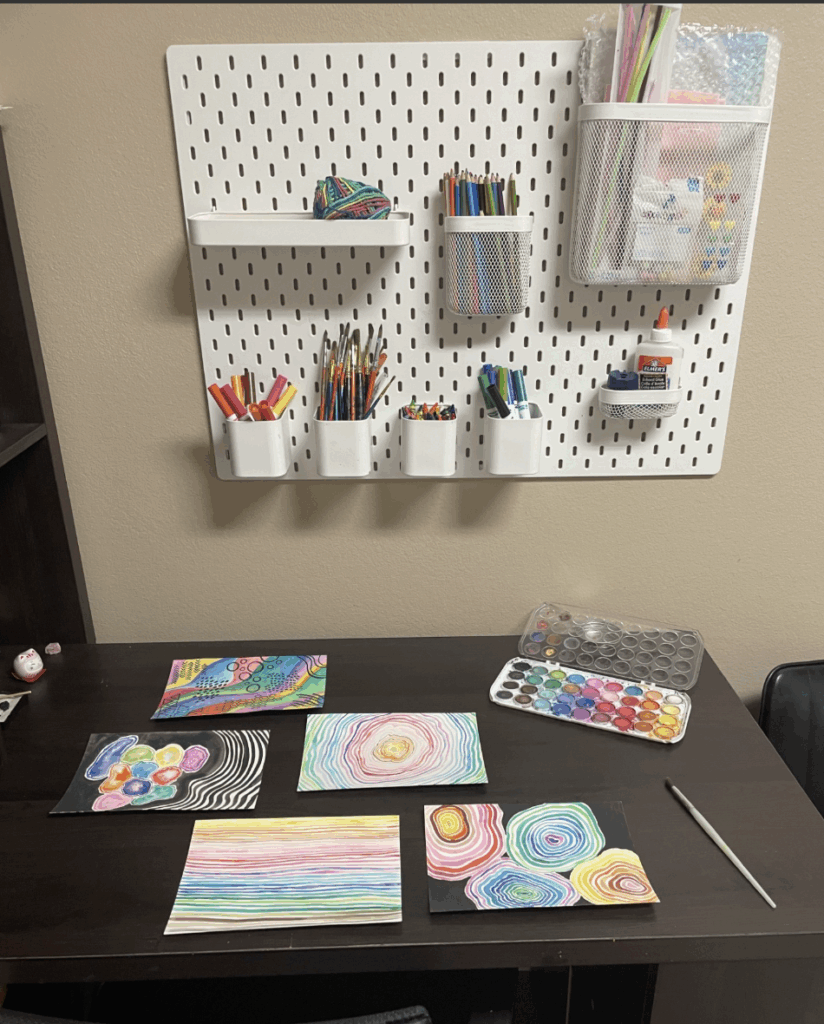
“In a world that is becoming more and more digital, I think the therapy field is at risk of falling into that virtual trap. However, we are already seeing the negative impact of screens, isolation, AI fake therapists, and technology on our nervous system. However, I think Mosaic will offer a unique breath of fresh air by staying rooted in creativity and holistic approaches that take people back into their bodies with movement, creativity, and connection. At Mosaic, therapy and healing have always been about more than sitting still and talking. I am excited to see the endless possible growth of this. I want to see our services and team expand to offer more holistic wellness services like mental health retreats, wellness workshops, community art therapy groups, etc. In a world that is often plugged into a virtual reality, Mosaic is offering a chance to feel alive again through art making, play, yoga, music, animal therapy, and genuine, vulnerable connection.”
To learn more about Mosaic Creative Counseling and their mission, please visit MosaicCreativeCounseling.com.
