Welcome!
Our department brings together four distinctive yet interconnected program areas—Arts Administration, Art Education, Museum Education & Visitor-Centered Curation, and Art Therapy—united by a shared commitment to innovation, collaboration, and meaningful public impact.
As one of the oldest departments of its kind in the South, we have a long history of pioneering new approaches to arts education, museum practice, arts leadership, and art therapy. Today, we continue that tradition by preparing the next generation of scholars, educators, administrators, museum professionals, art therapists, and cultural leaders.
Our faculty are nationally and internationally recognized scholars, practitioners, artists, and leaders who work closely with students through mentorship, collaborative research, and professional practice. At the Department of Arts Leadership, Education & Therapy, you’ll find a community that values curiosity, creativity, critical inquiry, and public engagement—preparing graduates not only for successful careers, but for lives of leadership and lasting impact.

Mission Statement
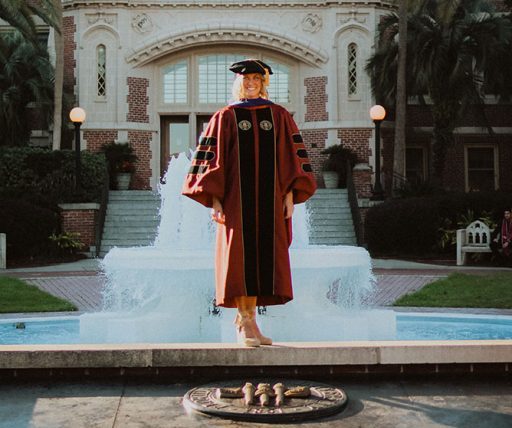
Here in the Department of Arts Leadership, Education & Therapy, we strive to empower minds and transform lives, using art and research for social change. Our mission is to prepare exceptional leaders in the fields of arts administration, art education, art therapy, and museum education & visitor centered curation. We offer graduate-only programs designed to meet students wherever they are in their professional journey. Opportunities include combined 4+1 pathways for undergraduate students, master’s degrees for emerging and experienced professionals, research-intensive doctoral programs, and professional practice degrees. Students may choose from residential and online learning options, including flexible programs designed for working professionals, teacher and therapist licensure pathways, and advanced doctoral study that advances research, policy, and practice across the arts. Our graduates are exceptional stewards of their respective fields, carrying on traditions and introducing innovation.
Florida State University
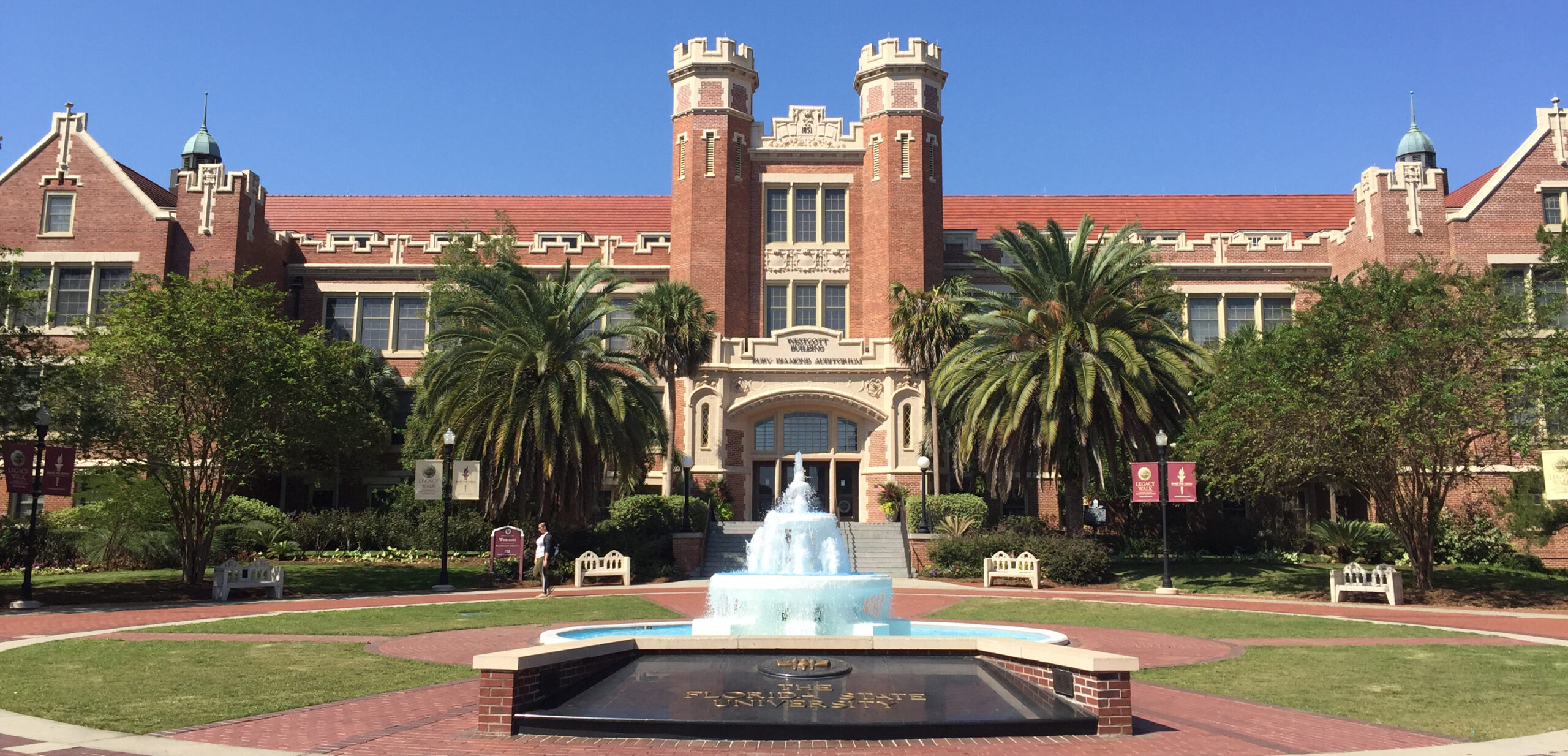
One of the nation’s elite research universities, Florida State University preserves, expands, and disseminates knowledge in the sciences, technology, arts, humanities, and professions, while embracing a philosophy of learning strongly rooted in the traditions of the liberal arts and critical thinking. FSU’s welcoming campus is located on the oldest continuous site of higher education in Florida, in a community that fosters free inquiry, along with championship athletics, and a prime location in the heart of the state capital.
Tallahassee, Florida
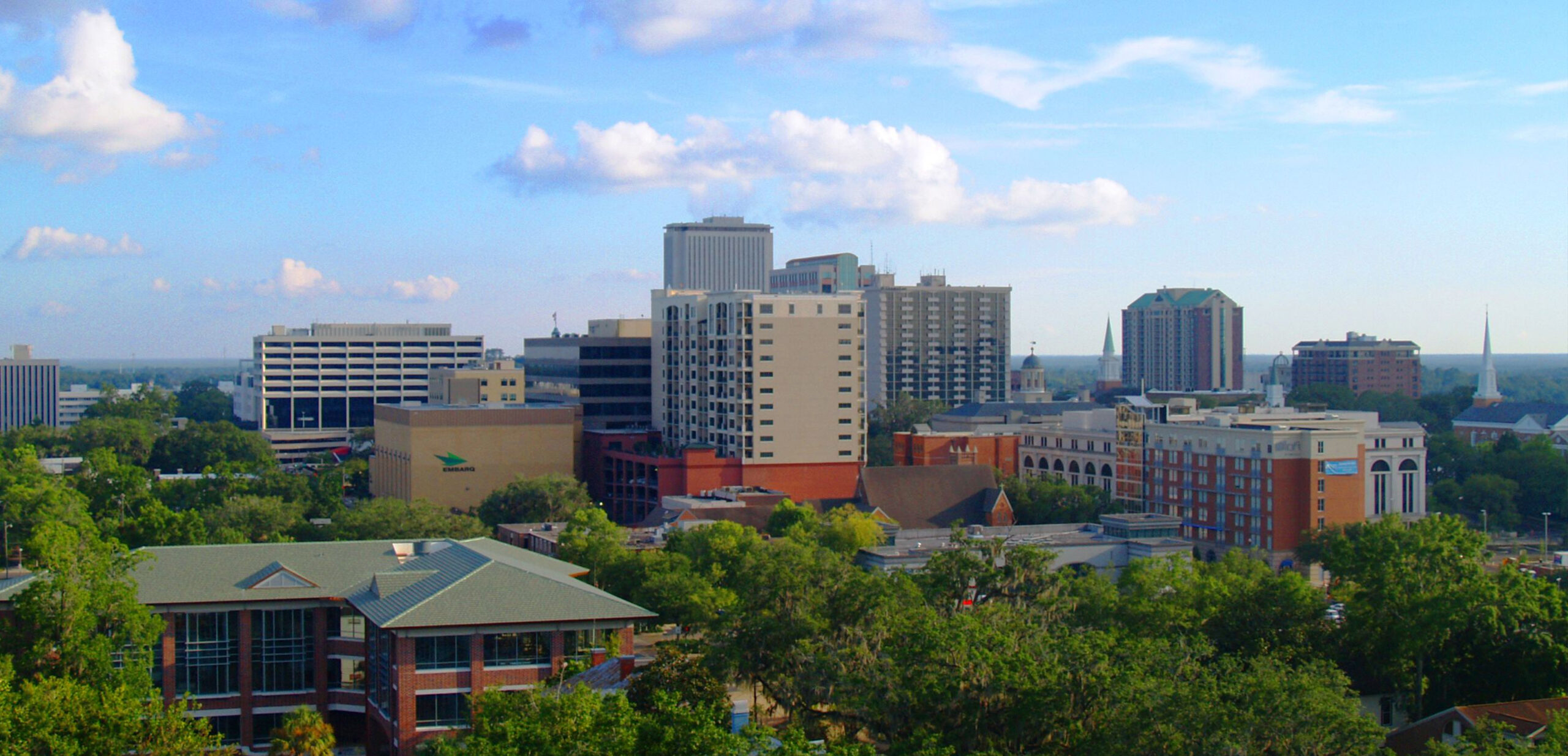
Tallahassee, Florida’s capital city, not only has a deep-rooted history and unparalleled natural adventure, but also an upbeat vitality that allows for nonstop fun! From arts and entertainment to outdoors and nature, you will never be bored. We have incredible weather, lush gardens, and over 306.5 miles of recreational trails to explore. Tallahassee also offers more than 28 museums, galleries, public art sculptures, monuments, and historic sites.
Bylaws
Departmental bylaws are found on their respective websites. For questions about College bylaws, please contact the Office of the Dean.